
Poverty is a persistent challenge in Pakistan, with millions of citizens struggling to secure basic needs. As one of the world’s most populous countries, Pakistan faces a complex interplay of economic, social, and structural issues contributing to poverty. However, skill development emerges as a powerful strategy for poverty alleviation. By equipping individuals with market-relevant skills, Pakistan can unlock opportunities for economic empowerment, social mobility, and national growth.
The Current Landscape of Poverty in Pakistan
As of recent reports, approximately 22% of Pakistan’s population lives below the poverty line. Unemployment, underemployment, and a lack of education are among the key drivers of this widespread poverty. The informal sector dominates the economy, employing nearly 70% of the labor force, yet offering minimal job security or opportunities for upward mobility. Moreover, rural areas and marginalized communities often lack access to education and skill training programs, perpetuating cycles of poverty.
Why Skill Development Matters
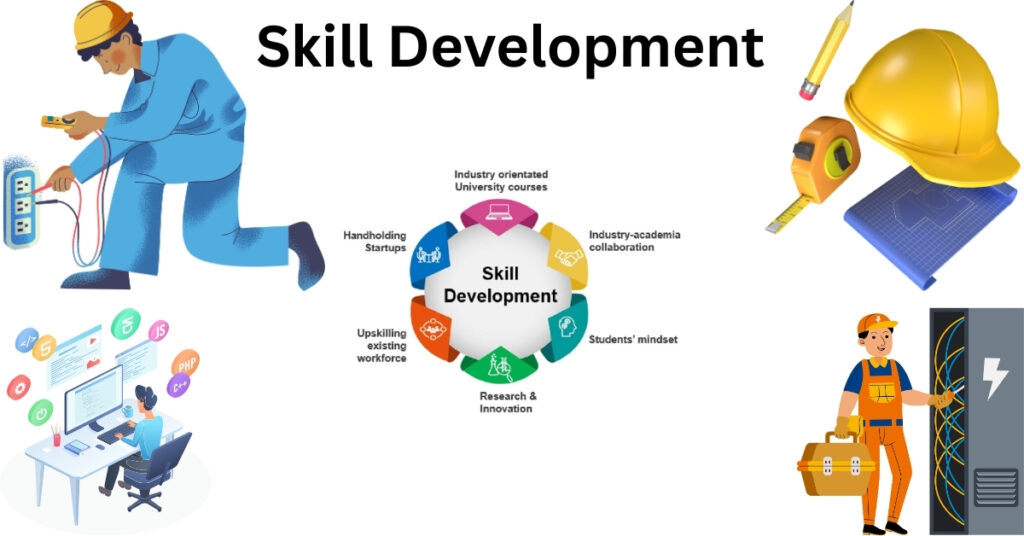
Skill development bridges the gap between workforce capabilities and market demands. It enables individuals to secure better-paying jobs, start their own businesses, and contribute effectively to the economy. Here’s how skill development directly impacts poverty alleviation:
1. Increased Employment Opportunities
Skill development programs equip individuals with technical and vocational skills tailored to industry needs. For example, training in information technology, agriculture, or construction can help workers access high-demand job markets. In Pakistan, initiatives like the Kamyab Jawan Program and the Punjab Skills Development Fund (PSDF) have successfully connected skilled workers to employment opportunities.
2. Entrepreneurial Growth
By providing training in business management, financial literacy, and digital marketing, skill development fosters entrepreneurship. Small and medium enterprises (SMEs) play a crucial role in Pakistan’s economy, contributing nearly 40% of GDP. Empowering individuals to start their businesses not only generates income for families but also creates jobs within communities.
3. Empowerment of Marginalized Groups
Women and youth are among the most disadvantaged groups in Pakistan. For instance, vocational training in fields like tailoring, beauty services, or digital freelancing has empowered countless women to earn independently. Similarly, initiatives targeting youth reduce their vulnerability to unemployment and social exclusion.
4. Reduction in Rural Poverty
In rural Pakistan, agriculture remains the primary source of livelihood. Skill development in modern farming techniques, irrigation management, and value-added agriculture can increase productivity and income for farmers. Furthermore, training in non-agricultural skills provides alternative income sources, diversifying rural economies.
5. Alignment with Global Trends
With globalization and technological advancements, skill development ensures Pakistan’s workforce remains competitive in the international market. Training in digital skills, programming, and e-commerce enables workers to tap into global freelancing platforms, earning foreign exchange and reducing poverty domestically.
Challenges to Effective Skill Development
Despite its potential, skill development in Pakistan faces significant hurdles:
- Limited Access to Quality Training: Many skill development centers lack modern equipment, qualified trainers, and updated curricula.
- Urban-Rural Divide: Rural areas often lack infrastructure for skill training programs, leaving vast segments of the population underserved.
- Cultural Barriers: In some areas, societal norms discourage women and youth from participating in training programs.
- Mismatch with Market Needs: Training programs sometimes fail to align with evolving industry demands, reducing their effectiveness.
Recommendations for Maximizing Impact
To harness the full potential of skill development for poverty alleviation, Pakistan must adopt a multi-faceted approach:
- Enhance Public-Private Partnerships: Collaboration between government agencies, private sector players, and non-profits can improve training quality and job placement.
- Invest in Technology: Digital platforms can expand the reach of skill development programs, especially in remote areas.
- Focus on Inclusivity: Special initiatives targeting women, youth, and marginalized communities should be prioritized.
- Align Training with Market Trends: Regular consultations with industry stakeholders can ensure curricula remain relevant and forward-looking.
- Strengthen Monitoring and Evaluation: Robust systems to track program outcomes and impact can help refine strategies and ensure resources are utilized effectively.
Conclusion
Skill development holds immense potential to alleviate poverty in Pakistan by empowering individuals, boosting economic productivity, and fostering social mobility. While challenges remain, a coordinated effort involving the government, private sector, and civil society can overcome these barriers. By investing in skill development, Pakistan can not only address poverty but also pave the way for a more inclusive and prosperous future.
